Back To Basics: For Great Images, Think Like The Pros Do
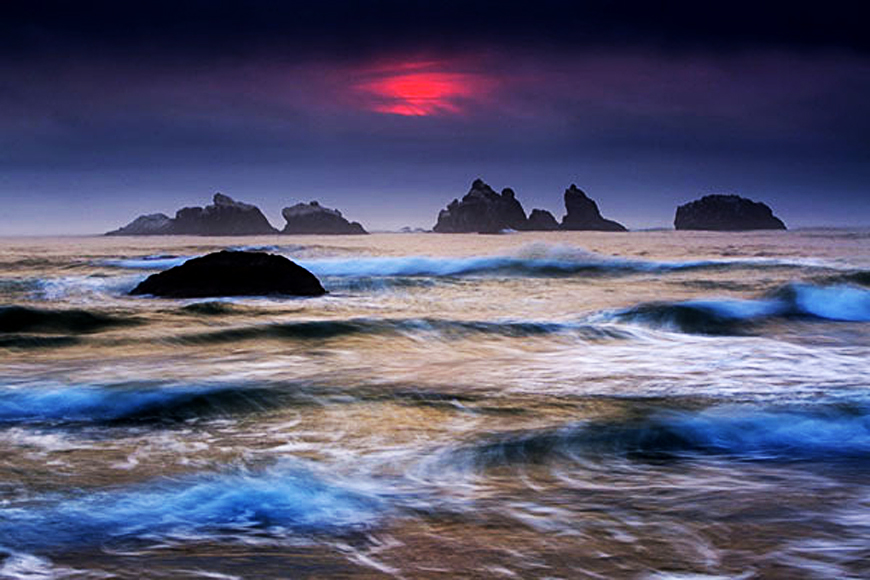
By Albert Chi
Most professional photographers ask themselves these questions before they shoot, and so should you. After you memorize them, they will become part of your thought process and run through your mind in a flash. After a while, you will not even be aware that you are thinking about them. You will simply assess the situation, start shooting, and let the results speak for themselves.
Make these questions part of your shooting routine and, provided you practice enough to keep your eye sharp, you will soon become very skilled at photography. Begin by memorizing the first three, then move on to the rest. You will likely find the results impressive.
First, memorize these:
Is this a good subject? A good subject can overcome poor technique, but a weak subject will always fall flat. Do not waste your time and energy on bad subjects. Take a few shots if needed, then move on.
What is the best point of view? This choice can make or break most images. If you are unsure, experiment. Shoot from low angles, high angles, and everything in between. Try tilting the camera to the left and right. Over time, you will begin to recognize the best perspective instinctively.
What kind of lighting is best? Along with point of view, lighting is one of the most critical elements. Most scenes look best early or late in the day when the light is warm and shadows add depth. Portraits are often most effective in open shade, near window light, or on overcast days. If necessary, return at a different time when the lighting improves.
Then add these:
Am I close enough? Photojournalist Robert Capa once said, “If your pictures are not good enough, you are not close enough.” Move in closer, then closer still. Do not rely on cropping later, as it changes the spatial relationship of the image.
Do I need to freeze action or create a soft background? This decision determines whether you use shutter priority or aperture priority. To freeze motion, use the fastest shutter speed possible while maintaining proper exposure. For a soft background, use a wide aperture, zoom to a telephoto setting, or move closer to your subject.
What lens focal length should I use? Wide-angle settings create a sense of space, making objects appear farther apart, while telephoto settings compress distance, making elements appear closer together. Wide angles provide greater depth of field, while telephoto lenses create a shallower depth of field.
Because telephoto settings reduce depth of field, they allow for selective focus when used with large apertures, helping blur the background and isolate the subject. This creates a stronger visual emphasis on the subject.
A lesser-known fact is that wide-angle settings are often better for low-light conditions. For example, a lens marked f/2.8–4.0 means it can open to f/2.8 at its widest setting, but only to f/4 when fully zoomed in. This difference can impact exposure in low-light situations.
Finally, when shooting in unsteady conditions with slower shutter speeds, wide-angle settings help reduce camera shake, while telephoto settings tend to amplify it.

Finally, think about these:
What is the essence of this subject? Ask yourself what defines the subject at its core. After capturing the obvious, look deeper. For example, a portrait of an artist may be compelling, but including paint-covered hands may better express the subject’s true essence.
Should I shoot this vertically? Most photos are taken horizontally because that is how we naturally see and because it is easier to handle the camera that way. However, this often leads to missed opportunities. Be sure to shoot vertical compositions as well. Likewise, when shooting portraits, which are typically vertical, try horizontal framing to create a more unique look.
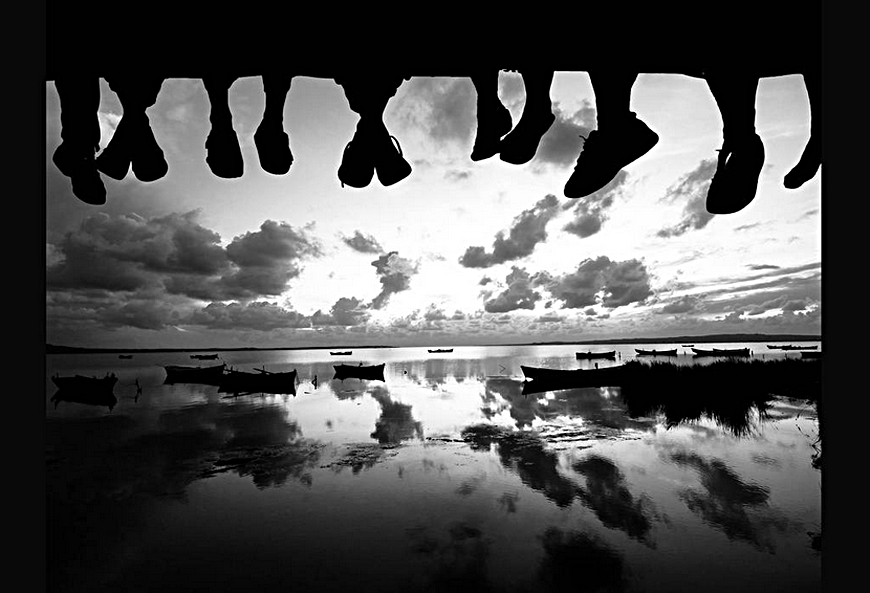
What can I do to make this shot extraordinary? Consider using unusual angles, props, creative lighting, foreground elements, or framing techniques. Silhouettes and candid actions can also add uniqueness. Small creative decisions can transform a standard image into something memorable and distinctly yours.
Original Publication Date: September 03, 2024
Article Last updated: May 01, 2026
Related Posts and Information
Categories
About Photographers
Announcements
Back to Basics
Books and Videos
Cards and Calendars
Commentary
Contests
Displaying Images
Editing for Print
Events
Favorite Photo Locations
Featured Software
Free Stuff
Handy Hardware
How-To-Do-It
Imaging
Inks and Papers
Marketing Images
Monitors
Odds and Ends
Photo Gear and Services
Photo History
Photography
Printer Reviews
Printing
Printing Project Ideas
Red River Paper
Red River Paper Pro
RRP Products
Scanners and Scanning
Success on Paper
Techniques
Techniques
Tips and Tricks
Webinars
Words from the Web
Workshops and Exhibits
all
Archives
August, 2026
July, 2026
June, 2026
May, 2026
April, 2026
March, 2026
February, 2026
January, 2026
November, 2025
more archive dates
archive article list


Red River Paper Inc. All contents © 1997 - 2026. 8900 Ambassador Row, Dallas Texas, 75247. Prices, specifications, and images are subject to change without notice. Not responsible for typographical or illustrative errors. Website Terms & Conditions | Acceptable Use
Site Development & Maintenance: Phosphor Media, LLC