Shoot Masterpieces On Your Kitchen Table
By Arthur H. Bleich
When the weather outside turns frightful, why not stay inside, where it’s warm, and shoot some still lifes? A still life is simply a creative arrangement of objects that you design. You have likely seen classical still life paintings featuring flowers or bowls of fruit. While those are traditional subjects, your compositions are limited only by your imagination.
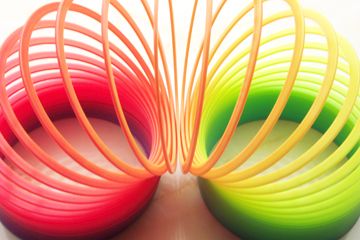
© Al Francekevich
Consider using a hobby or collection as your subject. Still life photography allows you to work at your own pace, adjusting objects and experimenting with lighting until you achieve the desired result. You are in complete control of the scene.
Successful still lifes rely on two key elements: thoughtful composition and effective lighting. Avoid front lighting, as it flattens the image. Instead, use side lighting or position your light source at a 45-degree angle to create depth and dimension.
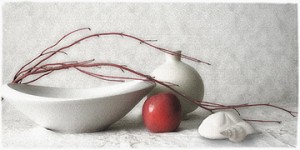
© Judy Mandolf
Background choice is equally important. Dark backgrounds can create a rich, dramatic effect, while lighter backgrounds can produce a high-key, soft, and airy look. Select a background that complements your subject and desired mood.
Take time to refine your setup. Experiment with different angles, lighting directions, and object placements. Do not limit yourself to eye-level shots. Some photographers spend days perfecting a single arrangement.

© Al Francekevich
Keep your compositions simple. Too many elements can make a scene difficult to manage. Start with one dominant subject and add supporting elements gradually. Using an odd number of objects often results in a more balanced composition.
You do not need a complex studio setup. A small table and a single light source are sufficient. Natural window light is often ideal, especially from an east-facing window, which provides soft, directional light in the morning.
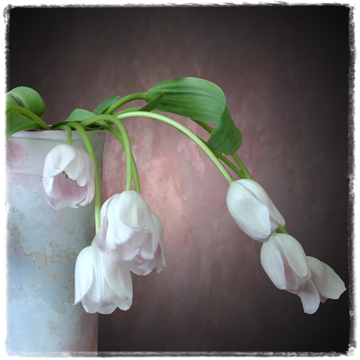
© Judy Mandolf
When shooting close-ups, use aperture priority mode and select a small aperture, such as f/8 to f/22, to increase depth of field. Because this requires slower shutter speeds, use a tripod and either a remote release or self-timer to prevent camera shake.
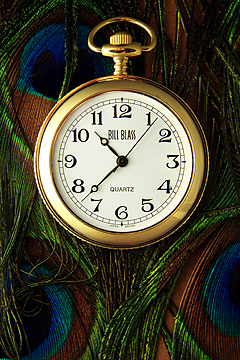
© Al Francekevich
Post-processing can enhance your still life images. Some photographers use software tools to create painterly effects, while others prefer a sharp, realistic style. Choose an approach that aligns with your artistic vision.
Still life photography is both challenging and rewarding. It is an excellent way to develop your skills in composition and lighting. Even Ansel Adams began with still lifes before becoming known for his landscapes.
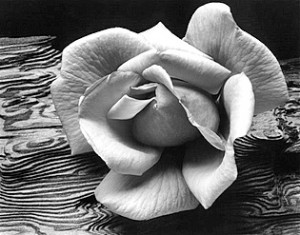
Ansel Adams – Rose and Driftwood, c. 1932
Create your own still life setup and start experimenting. These images can be used for greeting cards, sold at markets or galleries, or displayed in your home as artwork.
Original Publication Date: February 17, 2015
Article Last updated: May 01, 2026
Related Posts and Information
Categories
About Photographers
Announcements
Back to Basics
Books and Videos
Cards and Calendars
Commentary
Contests
Displaying Images
Editing for Print
Events
Favorite Photo Locations
Featured Software
Free Stuff
Handy Hardware
How-To-Do-It
Imaging
Inks and Papers
Marketing Images
Monitors
Odds and Ends
Photo Gear and Services
Photo History
Photography
Printer Reviews
Printing
Printing Project Ideas
Red River Paper
Red River Paper Pro
RRP Products
Scanners and Scanning
Success on Paper
Techniques
Techniques
Tips and Tricks
Webinars
Words from the Web
Workshops and Exhibits
all
Archives
September, 2026
August, 2026
July, 2026
June, 2026
May, 2026
April, 2026
March, 2026
February, 2026
January, 2026
more archive dates
archive article list


Red River Paper Inc. All contents © 1997 - 2026. 8900 Ambassador Row, Dallas Texas, 75247. Prices, specifications, and images are subject to change without notice. Not responsible for typographical or illustrative errors. Website Terms & Conditions | Acceptable Use
Site Development & Maintenance: Phosphor Media, LLC