Winning Marketing Strategies for a Creative Business, Part 2

In Part 1 of our series, we explored the foundational elements of building your creative brand with Chief Branding Officer Scooter Thompson. Now, we turn our attention to the strategic implementation of that brand through effective marketing channels.
Chief Marketing Officer Laura Thompson brings over two decades of expertise in developing and executing marketing strategies across multiple industries. Her approach combines data-driven insights with a deep understanding of creative businesses, making complex marketing concepts accessible and actionable for artists and photographers.
In Part 2, Laura addresses the crucial questions many of you raised during our recent webinar about marketing strategy, platform selection, and finding the right balance between creating and promoting your work. Whether you're just starting out or looking to expand your existing creative business, her practical guidance will help you develop a marketing approach that authentically represents your brand while effectively reaching your target audience.
Let's dive into the strategic elements that can transform your creative passion into a thriving business.
Part 2: Strategy
Questions From RRP Creatives:
- How can I strategically reach potential customers who will love my products
- How can I successfully promote my work and myself?
- Which marketing strategies have the most impact for a brand-new small business?
- How do I increase my online visibility on a budget?
Laura's Response:
Building on our discussion from Part 1, we know that branding is more than just a logo or color scheme: it's the promise of a distinct, memorable experience. While a solid brand foundation is crucial for supporting your business efforts, the next vital step is effectively marketing that brand. But with so many options available, where should you begin?
First, let's establish one thing very important.
Marketing strategy isn't about following a rigid playbook. It's about staying nimble and responsive to your audience's needs. The data backs this up: businesses that embrace comprehensive omni-channel strategies see an impressive 91% year-over-year customer retention rate, compared to just 33% for those who don't (Aspect Software). Moreover, nearly three-quarters of consumers (74%) look to social networks and user-generated content to inform their purchasing decisions (McKinsey & Company).
What does this tell us? Success comes from meeting your audience where they are and engaging with them authentically. It's about crafting your presence in a way that not only catches their eye but also resonates with their values and needs.
Even if your art is generally one-of-a-kind and you sell mainly at exhibitions or fairs, offering prints (or cards, stickers, etc.) of your work through a website is an excellent way to gain digital exposure and create an additional revenue stream. This strategy transforms a local art business into a national, or even global presence, allowing you to connect with potential customers worldwide. Plus, it makes your art accessible to those with varying budgets, space constraints, and ability to attend in-person events.
STANDARD MARKETING CHANNELS
- Content Marketing (on your Website, written or video)
- Organic Social Media
- Paid Social Media (paying for ads on Facebook, Instagram, etc.)
- Email Marketing
- Events/Trade Shows/Community
- Search Engine Marketing (paying for ads on Google, Bing, YouTube, etc.)
- Search Engine Optimization (website)
- Direct Sales/Direct Mail
- TV/Radio
- Publications/Magazines
- Out of Home (billboards)
- Affiliate/Influencer Marketing
BUILDING YOUR FOUNDATION
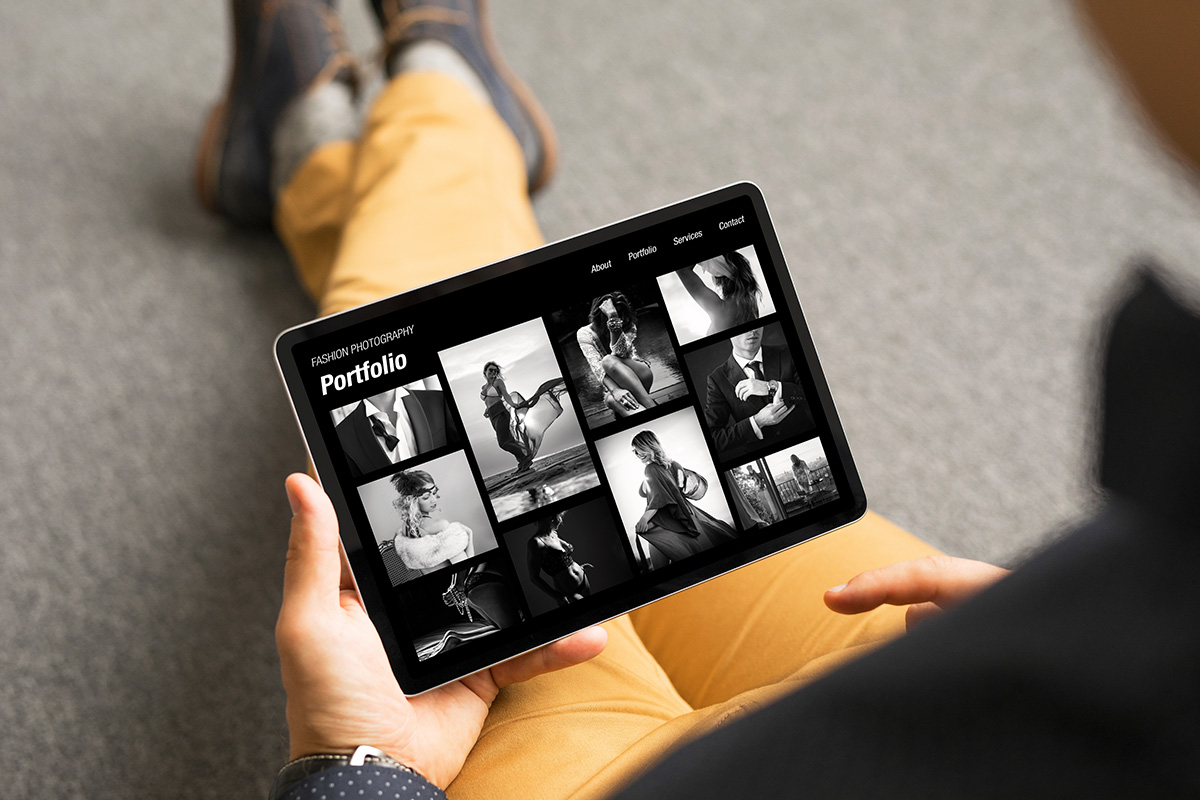
For small to mid-sized businesses, several key marketing channels offer an excellent starting point: website content, organic social media, paid social advertising, and search engine marketing. These digital platforms provide natural opportunities to introduce your brand to potential customers right where they're already spending time scrolling through their social feeds or searching online for solutions. While each of these channels requires an investment of both time and money, they can deliver significant returns when approached strategically.
When it comes to search engine marketing on platforms like Google, Bing, or YouTube, partnering with an experienced specialist is often worth the investment. The same goes for SEO (search engine optimization), as both fields require deep expertise to navigate constantly evolving algorithms and best practices. With the right expert guiding your strategy, these channels can drive substantial qualified traffic to your website by targeting your ideal audience within your budget parameters.
Fortunately, there are several marketing initiatives you can confidently tackle on your own. Setting up social media profiles on platforms like Facebook or Instagram (which we'll explore in detail later), creating a website using user-friendly platforms (such as Wix, Shopify, Squarespace, Etsy, or Fine Art America), and launching an email newsletter are all manageable starting points. These foundational elements typically require minimal technical expertise and often begin generating returns within the first year.
WEBSITES: CHOOSING YOUR DIGITAL HOME
With countless website and e-commerce platforms available today, finding the right fit comes down to three key factors: your desired level of control, technical expertise, and need for analytics capabilities.
E-Commerce Website Platforms. For artists looking to sell directly to customers, platforms like Shopify, Wix, and Squarespace offer robust e-commerce solutions at various price points. Shopify's plans start at around $30 monthly, while Wix begins at $17 per month. These platforms provide customizable templates and intuitive interfaces, making it possible to create a professional-looking online store without extensive technical knowledge. Some offer all-in-one solutions that include hosting and domain services, and their mid-to-higher tier plans typically include analytics tools to help you track site performance and sales metrics. Some platforms offer free trials, allowing you to test their features before committing.
Online Marketplaces. Platforms like Etsy, Fine Art America, Red Bubble, and Society6 offer simpler setup processes and built-in access to art enthusiasts. However, this convenience comes with trade-offs: increased competition, limited customization options, and potentially less distinctive brand presence. While these marketplaces can be valuable channels, especially when starting out, consider how much time you can invest and how important creative control is to your brand before making your choice.

CONTENT MARKETING: SHARING YOUR CREATIVE JOURNEY
Invite Them In. Successful artists who build strong brands and generate significant sales often share a common approach: they invite their audience into their world. They create connections by sharing their inspiration, creative process, and even day-to-day challenges. Think about the creative professionals who influence you. They likely provide valuable content, whether it's practical advice to help you grow as an artist or insights about useful tools you haven't yet discovered.
The Value Exchange. Even when we simply enjoy browsing someone's artwork or brand page for its aesthetic appeal, there's always a value exchange taking place. As audience members, we seek something in return for our attention. Consider it like attending a play: viewers want to be entertained, moved, or enlightened; they want to leave with something they didn't have before. As a brand, your role is to ensure your audience receives something meaningful whenever they interact with you.
Consistent Engagement. Strong brands keep their followers engaged across multiple channels: social media, blogs, and email newsletters by sharing:
- Updates about new work in progress
- Professional accomplishments
- Insights into their artistic journey
- Behind-the-scenes glimpses of their creative process
Building Your Content Library. Start collecting potential content ideas now, even if they're just initial thoughts. Keep a journal, either written or digital, where you can record topics you might want to share. Dedicate regular time to developing these ideas. Some can become quick social media posts, while others might evolve into longer-form content for emails, videos, or blog posts. When you've built a contact list eager to hear your news and see your art, you'll have a ready source of refined content to share.
Here are a few content ideas:
- Tell others which tools or raw materials you use for your art and why.
- Discuss a process you use to create your art.
- Talk about a service you love.
- Share about a creative challenge you recently overcame.
- Talk about special people, places, songs that inspire you.
- Share testimonials from other fans or clients.
- Show how and where others are displaying or enjoying your art.
- Reveal the stages of a personal project.
- Offer tips from advice you've been given over the years or recently discovered.
For Inspiration.
>> See how illustrator Dave Garbot shines as an RRP Brand Ambassador, a group of artists and photographers who are great at promoting RRP and themselves.
>> Some artists share lists of favorite supplies with customers and followers via PDF download.
>> RRP has affiliates who enjoy sharing short recommendation videos.
Another useful step is to sign up for other artists' newsletters that will be a source of inspiration. Visit the "Success on Paper" blog series for great examples of how others talk about their own experiences and challenges; go here to apply for your own feature to help you promote your brand. For more specific resources, visit art business marketing sites such as Alyson Stanfield's.
SOCIAL MEDIA: A POWERHOUSE ENGAGEMENT TOOL
Questions From RRP Creatives:
- How do I get the people who liked my page to interact with my posts?
- Are there different considerations and approaches for success on Facebook versus Instagram?
- How can I boost engagement with my posts?
- What is the most effective social media platform for creatives?
- I don't like being on social media much for personal reasons; how do I balance that with social media marketing as a tool?
On Organic Social Media
Social media remains an impactful marketing channel, reaching 239 million users through authentic storytelling and community building. Instagram continues to be the most popular app for creatives. Even among young adults, Instagram surpasses TikTok, Snapchat, Reddit, and Twitter in popularity.
Building Brand Believers. Successful organic strategy hinges on consistency and variety: mixing blog content, product updates, user-generated content, and behind-the-scenes glimpses. Research shows 64% of consumers connect with brands sharing their values, making authenticity crucial. The goal isn't viral posts or constant promotion, but rather creating meaningful relationships that influence purchasing decisions through valuable content and emotional connections.
Read my article on standard operating procedures for organic social media, where you'll learn how to set up social accounts, outline your content for the month, how often to post, and much more with helpful examples!
On Paid Social Media:
Like so many other businesses, independent artists and photographers aiming to increase their art's visibility, attract potential clients, extend their brand awareness, and generate sales often turn to Meta ads on Facebook and Instagram apps, and this digital canvas can be a goldmine for creatives. With prospecting campaign ads, you can strategically target your ideal audience through interests or lookalike audiences that mirror the interests of your existing clients or website visitors. Through re-targeting ads, you can gently nudge previous visitors and those who've already shown interest in your work to take that final step to purchase or to keep coming back for more.
Numbers That Make Sense. These ads can shine a spotlight on your work to hundreds of thousands of potential customers who would otherwise never discover your creative treasures. While you can start with a modest budget to test the waters, Meta ads typically bring an average return-on-ad-spend (ROAS) across most industries of between 3:1 and 4:1, meaning for every dollar spent on ads, a business can expect to generate $3 to $4 in revenue.
Getting Started, the Smart Way. For creatives who already have a portfolio of stunning imagery or videos, and have cultivated even a modest amount of content for organic social media posts or email, this channel is a natural fit. We generally suggest business owners partner with a Paid Social Marketing Manager to help launch this channel, ensuring every advertising dollar works its hardest through current best practice optimization techniques. While the initial setup and automation of campaigns require some upfront effort, the ongoing maintenance is surprisingly light leaving you more time to focus on your art.
EMAIL MARKETING: NURTURING CUSTOMER RELATIONSHIPS
Questions From RRP Creatives:
- What are the best ways to get others to join my mailing list?
- How do I generate sales through email campaigns?
- How often should I send emails to my email list?
Understanding Email's Role. While social media excels at lead generation and brand exposure, email marketing is invaluable for nurturing those leads and building lasting relationships. Through automated flows and targeted campaigns, you can convert prospects into customers and encourage repeat purchases.
To build your email list, start collecting subscriber information through:
- Website email capture fields or pop-up forms with welcome offer
- Social media page sign-up links
- Public shows, fairs, and exhibitions
- Word-of-mouth referrals
- Business card distribution
- Encouraging clients and fans to share with their networks
Choosing Your Platform. Several email marketing platforms are available, including MailChimp, FloDesk, and the more robust Klaviyo. Research subscription options to find one that matches your subscriber list size and budget. Most platforms offer templates and automation tools to streamline your communications.
Key Automated Flows. A successful email strategy typically includes these essential automated sequences:
- Welcome Flow: Share your story and make an emotional connection. Consider including a special offer to encourage first purchases.
- Post-Purchase Thank You: Express gratitude, provide product care resources, request reviews, and invite social media connections.
- Browse/Cart Abandonment: Reach out to potential customers who haven't completed their purchase, offering assistance and potentially a special discount
- Repeat Purchase Nurture: Re-engage previous customers a few months after their purchase with new product announcements or special offers to generate more sales.
Within each flow, there will typically be a couple or a series of emails with time delays between. Generally it takes a bit of trial and testing to discover the "sweet spot" of timing and quantity that your audience prefers, and don't forget that campaign emails such as a monthly newsletter can overlap those automated flows.
Campaign Emails. These are generally your communications that include unique content each month. Monthly newsletters and campaign emails often include these topics:
- New "how-to" guides or blog resources
- Product launches or seasonal offerings
- Customer reviews and testimonials
- Industry event announcements
- "Behind-the-scenes" peeks
- Personal updates or announcements
Email Best Practices:
- Limit email frequency to about once per month for newsletters and one or two campaign emails per month if you are promoting a sale or seasonal discount.
- Exclude recent purchasers from promotional campaigns; you don't want to bombard them immediately with self-promotional emails.
- Monitor unsubscribe rates and adjust frequency if needed.
- For time-sensitive offers, send reminder emails a day or two before expiration.
- Focus on relationship building rather than constant selling.
- Share valuable content that educates, entertains, or connects.
Remember: Email marketing is about nurturing relationships. Balance promotional content with personal stories, helpful insights, and genuine connection, just as you would in face-to-face interactions with friends.

BUILDING VISIBILITY: FACE-TO-FACE AND DIGITAL EXPOSURE
Success in the art world often hinges on strategic visibility creating meaningful opportunities for your work to be discovered and appreciated. Here's how to expand your reach both locally and digitally:
Community Connections. Begin by embedding yourself in your local art community. Connect with potential audiences through art societies, non-profit groups, and niche galleries. Even unexpected venues like coffee shops can be valuable exhibition spaces, especially when they attract viewers interested in your subject matter. Look for opportunities to collaborate with trusted brands or create co-branded experiences that align with your artistic vision.
Digital Exposure. Don't overlook the power of online platforms to showcase your work. Many organizations offer digital exhibitions, artist features, and spotlight opportunities that can significantly expand your reach. For example, Red River Paper's "Success on Paper" series selects one artist monthly for a feature solo show, exposing their work to hundreds of thousands of visitors through the Red River Paper website, social media, and email marketing channels.
Professional Development. Consider joining a selective art association, one that requires juried entry rather than open admission. This membership not only signals your work's quality but also opens doors to exhibition opportunities. When participating in shows, carefully review the prospectus and tailor your submissions to match each exhibition's theme. Many associations offer members the chance to mount solo exhibitions, providing an excellent goal to work toward as your career develops.
HOW DO I BALANCE IT ALL?
Questions From RRP Creatives:
- How much time do I spend marketing my business vs. time actually delivering my services?
- I struggle with a cadence for posting on social media because it feels intrusive on my creative process. How do folks balance those?
The Time-Management Question. Many artists struggle with balancing marketing efforts against creative time, especially when social media feels like an intrusion on the artistic process. The right balance often depends on your current business phase:
- Commission-Based Work: Initially requires heavier promotion until you build a steady client base.
- Existing Portfolio: May demand more marketing time when launching prints or print-on-demand services.
- Early Career: Focus primarily on creating a diverse portfolio that showcases your style.
- Established Artists: May find their work sells naturally with minimal marketing effort.
Keep It Real. Think of social media and email marketing as casual conversations with friends who are curious about your work. Share authentic moments with minimal effort. Even posting once weekly (in social) and monthly (in email) can build momentum when you share these genuine glimpses into your process. It's about creating a sustainable habit of sharing, not overwhelming yourself with constant updates. Take inspiration from social posts or emails you enjoy receiving, and let audience feedback guide your future content.
Automate. Email flows, Paid Social (Meta) ads, and SEM (Google) ads can be set up with initial strategic effort, then run smoothly with minimal monthly maintenance. In fact, letting these systems run uninterrupted (minus constant updates) yields increasingly valuable audience data, allowing you to fine-tune and optimize your campaigns over time for even better performance.
The Long View. As you develop your marketing voice, communication will become more natural and efficient. Remember that while building a brand and audience requires significant initial effort, this investment creates more time and resources for your art in the future. Your work deserves this dedication.
TURN YOUR VISION INTO ACTION
To sum it all up, success in marketing your creative business requires thoughtful planning and implementation:
1. Document Your Strategy:
- Define key brand elements
- Select primary marketing channels
- Set realistic budget expectations
2. Plan Your Investments:
- Website development
- Marketing materials (business cards, brochures, stickers)
- Exhibition and membership fees
- Paid promotional campaigns
3. Build Your Foundation. Ensure your basic marketing elements (website, social media, email) are properly established before investing in paid advertising. Remember: you already possess the talent and determination to create remarkable art, now it's time to share it with the world through focused, strategic action.
Original Publication Date: February 10, 2025
Article Last updated: April 10, 2026
Related Posts and Information
Categories
About Photographers
Announcements
Back to Basics
Books and Videos
Cards and Calendars
Commentary
Contests
Displaying Images
Editing for Print
Events
Favorite Photo Locations
Featured Software
Free Stuff
Handy Hardware
How-To-Do-It
Imaging
Inks and Papers
Marketing Images
Monitors
Odds and Ends
Photo Gear and Services
Photo History
Photography
Printer Reviews
Printing
Printing Project Ideas
Red River Paper
Red River Paper Pro
RRP Products
Scanners and Scanning
Success on Paper
Techniques
Techniques
Tips and Tricks
Webinars
Words from the Web
Workshops and Exhibits
all
Archives
September, 2026
August, 2026
July, 2026
June, 2026
May, 2026
April, 2026
March, 2026
February, 2026
January, 2026
more archive dates
archive article list


Red River Paper Inc. All contents © 1997 - 2026. 8900 Ambassador Row, Dallas Texas, 75247. Prices, specifications, and images are subject to change without notice. Not responsible for typographical or illustrative errors. Website Terms & Conditions | Acceptable Use
Site Development & Maintenance: Phosphor Media, LLC