Red River Paper Blog
How-To-Do-It
page 4
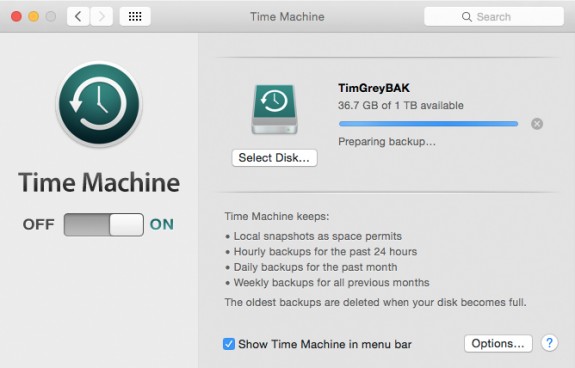
Backup Therapy for Paranoid Photographers, Part 2
By Tim Grey– Variability. I am often asked whether it is best to use a full backup solution where the backup is replaced each time you perform a backup, or an incremental backup where only changes made since the last backup are copied. My answer is to use both of these approaches. There are advantages...read more
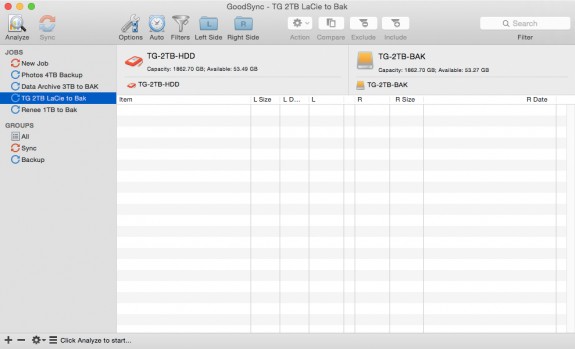
Backup Therapy for Paranoid Photographers, Part 1
By Tim Grey– To me a big part of why I capture photographic images in the first place is to preserve memories that are important to me. By definition, if I intentionally pressed the shutter release button on the camera then the photo I captured is important to me in some way. Therefore, I want...read more

Nothing Says it Better Than A Photographic Print
By Drew Hendrix– I have a friend whose daughter died when she was a teenager but he still greets her every day with: “Hi kiddo, how’s it going?†And he says she always replies with a smile from within her picture frame on the wall. He told me that when he views her image on...read more
Great Photo Ops Lurk In Unexpected Places
By Arthur H. Bleich– I rarely just wander around looking for good pictures. Instead, I almost always have a clearly defined goal in mind when I sling my Pentax over the shoulder and set out for a shooting session. For example, doing a series of images at the town’s train station in the early morning light,...read more
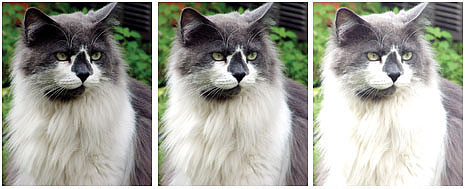
Fine Tune Your Exposures With “Smart†Bracketing
by Arthur H. Bleich– Most digital cameras have an auto-bracketing feature that allows three or more images to be shot manually or automatically in rapid succession, each at a different exposure. The first picture is exposed at what the camera’s light meter determines to be correct, followed by an under-exposed image and then another that’s...read more
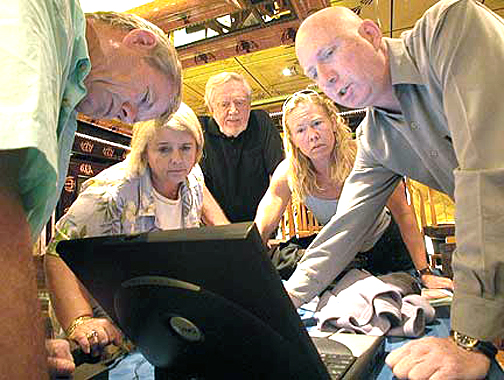
Wider is Better
By Arthur H. Bleich– Most amateur photographers lust for longer focal length lenses that bring distant subjects nearer. But most professionals will tell you that if they had to choose between a telephoto or a short focal length lens, they’d take the wide-angle every time. First, it’s a very versatile lens, especially for shooting close-up...read more
Never miss a post again and get exclusive savings offers. Signup to Red River Paper's Newsletter!
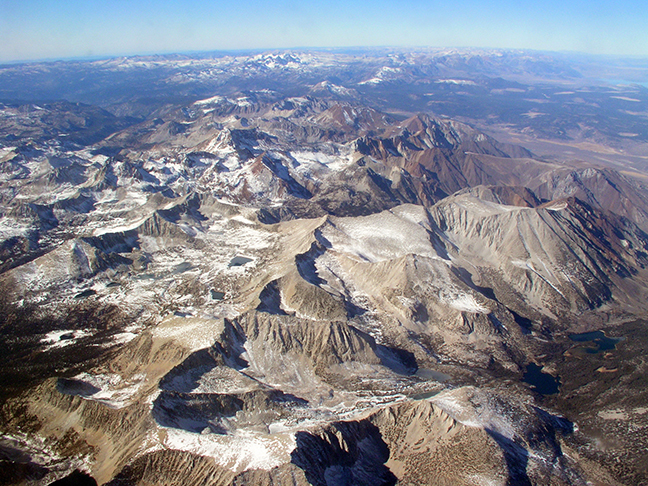
Thru The Looking Glass
by Shelly Katz– “It’s not always about the destination, sometimes it’s about the journey”  Flying Over Central California. Photo by Shelly Katz Often when on my way to photograph at an exotic location, I’m reminded of that cliché as I make a very memorable photograph looking out the window of my airplane. In fact,...read more

Life in a Bubble
by Arthur H. Bleich– “I’m forever blowing bubbles, Pretty bubbles in the air.†From the hit song Life In A Bubble, 1919. Backpacking in Ireland in 2006, Tom Storm, 32, remembers being part of the crowd at the Galway Festival when bubbles from a nearby vendor floated by him. “I’ve always been...read more


