Red River Paper Blog
Photography
page 9

Three Photography Book Gems For Under $10 !
by Arthur H. Bleich– Now that we’re into the holiday season, I’d like to recommend three photography books that are stand-outs and would make great gifts or be worthy additions to your library. All are currently available at Amazon in used (but mostly like-new) condition at about $10 or less. Some are going for as little...read more
Get Maximum Shadow Detail in Your Prints
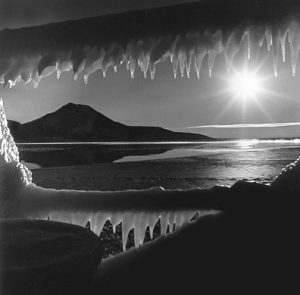
By Tim Grey– In many cases a print will not reflect the full level of shadow detail as actually exists in the image file. Instead, that shadow gets “blocked up,†similar to the way shadow detail gets clipped in an exposure that is too dark. You can compensate for this issue by essentially brightening the...read more
Fuse Your Photos to Stone and Tile for Unique Gifts and Stunning Displays
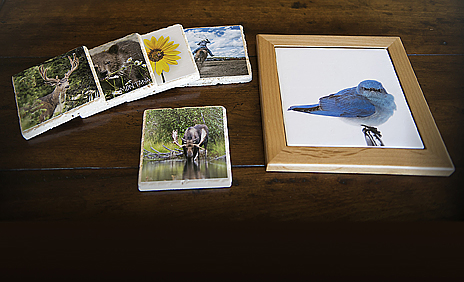
By Christine Pentecost– Finding a unique niche in today’s world of photography is not the easiest thing to do. Fortunately, something as simple as making your own coasters, trivets or hanging wall decorations using inexpensive tile, Mod Podge and Red River photo papers is an easy yet wonderfully creative way to share your photography. I begin...read more
How To Shoot Prize-Winning Photos, Part 2
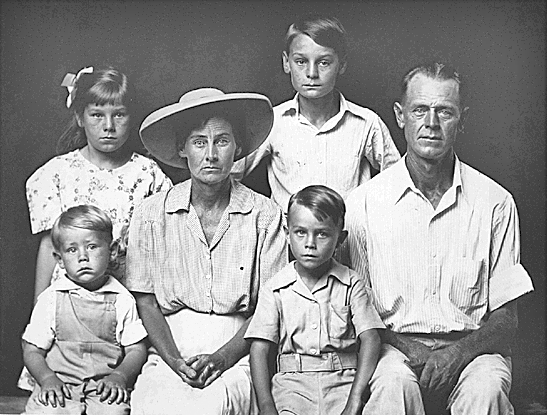
by Arthur H. Bleich– We continue with Part 2 of How To Shoot Prize-Winning Photos. In case you missed it, Part 1 was posted on 8/1/16. Stash the Flash. Nothing kills a picture quicker than lighting it with on-camera flash. Pasty, washed out faces and big black shadows guarantee it will never achieve prize-winning status. Unless you’ve...read more
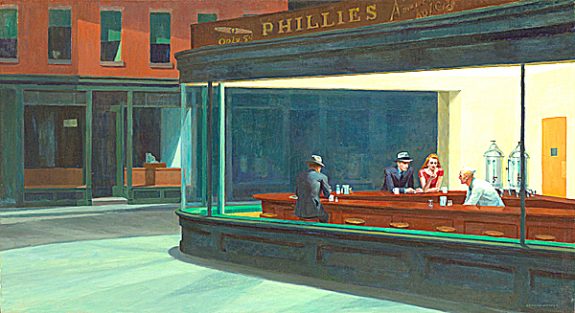
How To Shoot Prize-Winning Photos, Part 1
by Arthur H. Bleich– Over the years, I’ve analyzed what separates prize-winning images from the rest and I’d like to share with you what I’ve discovered in this two-part series. Even if prizes are not your goal, you can take a creative leap forward if you keep these suggestions in mind. Every pro has them burned...read more
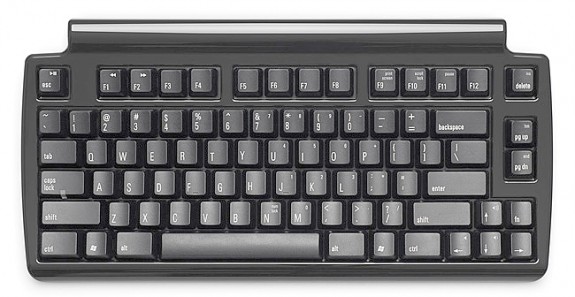
Keyboards Short, Long, Fat, Thin, Loud, Soft And More
By Arthur H. Bleich– For years I wanted to take a circular saw and cut the numerical pad off of my keyboard. The the last time I used it must have been…I don’t even remember. But there it sat, just taking up space and putting my mouse just beyond a comfortable reach. Then, one day,...read more
Never miss a post again and get exclusive savings offers. Signup to Red River Paper's Newsletter!
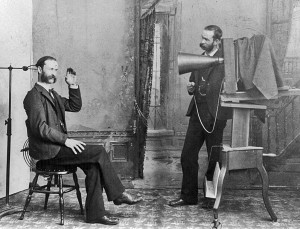
The History of Photography in 5 Minutes
I came across a gem of a video the other day and thought I’d share it with you. But to digress a bit, its title brought back some great memories of Don Novello, a comedian whose character, Father Guido Sarducci, made millions of viewers laugh in the late 70s and early 80s when he appeared on...read more
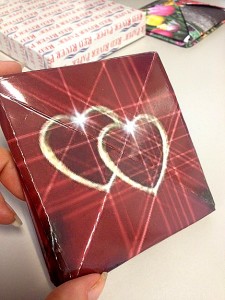
Paper Crafts: Make Your Own Valentine Puzzle Purse
Red River’s greeting card papers are perfect for Valentine’s Day cards  but for something really special,  use Red River’s 12×12-sized paper to make a Valentine Puzzle Purse that will enthrall your beloved and endear you to them forever. Puzzle Purse Valentines made their first appearance in Jane Austin’s time and were the rage from 1700s...read more
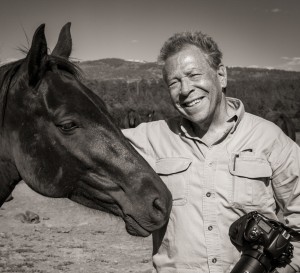
Pros Choose Tony Bonanno To Print Their Best Images
Flip a Tony Bonanno coin and it’s a winner either way it lands. Heads, it’s an internationally renowned photographer based in Santa Fe, New Mexico who travels worldwide to shoot architecture, travel, documentary, corporate events, editorial and fine art photography. Tails, a talented digital print maker who works with both Epson and Canon large-format printers and...read more

Try Soft Light For Great Portraits
By Arthur H. Bleich– In the early days of amateur photography, enthusiasts were always being warned to “keep the sun at your back” because films were slow and needed lots of light to record a decent image. But before photography became the beloved hobby of the masses, Victorian studio photographers had discovered that the best way...read more

Cash In On Greeting Cards!
By Drew Hendrix– Electronic greeting cards may be click ‘n easy but the public still has a voracious appetite for printed cards; all it takes to enter the market and start making money is a printer, the right Red River Paper card stock and, of course, your best images. The Greeting Card Association estimates...read more
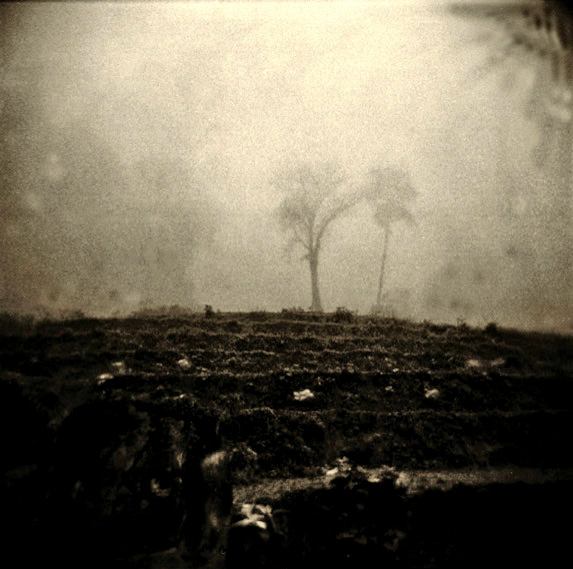
Richard Baker: War and Peace
By Arthur H. Bleich– In 1966, Richard Baker aimed his M-16 at the Vietnamese; today he uses an arsenal of analog cameras to shoot them. His goal is to photograph all 54 ethnic tribes in the country where he was once sent to fight. Now 68, the twice-wounded Army veteran has been back to Vietnam...read more
Never miss a post again and get exclusive savings offers. Signup to Red River Paper's Newsletter!
The Need For Photo Ambassadors
by Tim Grey – I’ve become convinced that photography needs more ambassadors. As photographers we need to make sure we’re setting a good example for other photographers. But perhaps more importantly, I think we also need to help maintain a “good name†for photographers among the general public. I think it is important that photographers...read more
Quickstart Guide To Inkjet Papers
By Drew Hendrix –Today’s selection of inkjet papers provides amazing creative opportunities for photo enthusiasts by offering quality, control and cost savings previously unknown to photographers who worked with conventional photo papers. There are many more options to let you match the paper’s surface to suit your photographic style. Weight, texture, shade and more can...read more
“Pure Images” are a Myth
By Bryan Peterson –As the years have gone by, I have been pushing myself further and further away from the “obvious” photographic opportunities and more toward the “unseen,” as well as toward creating images from “scratch” (i.e., using props and/or models, and creating compositions that are in fact inspired in part by observing the world...read more
Perfect Prints From Budget Printers
By Drew Hendrix– It doesn’t take a pricey printer with many different ink colors to get beautiful prints. In fact, almost any inkjet printer made in the past ten years is capable of outputting pictures you’ll be proud to display. Do you have one of these “consumer” level printers?  Have you felt like you could not...read more
Shoot A Photo Essay!
By Arthur H. Bleich– A photo essay is a group of images connected by a theme. It’s easier to shoot than searching randomly for picture possibilities because the theme determines the kinds of shots you’ll need. Pick a subject you’d like to visually explore in depth. Is there a bridge that’s always fascinated you? An...read more
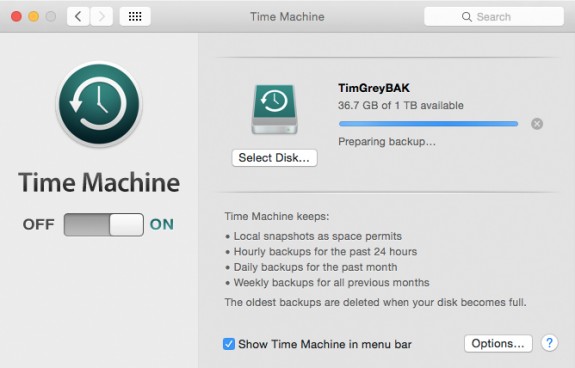
Backup Therapy for Paranoid Photographers, Part 2
By Tim Grey– Variability. I am often asked whether it is best to use a full backup solution where the backup is replaced each time you perform a backup, or an incremental backup where only changes made since the last backup are copied. My answer is to use both of these approaches. There are advantages...read more
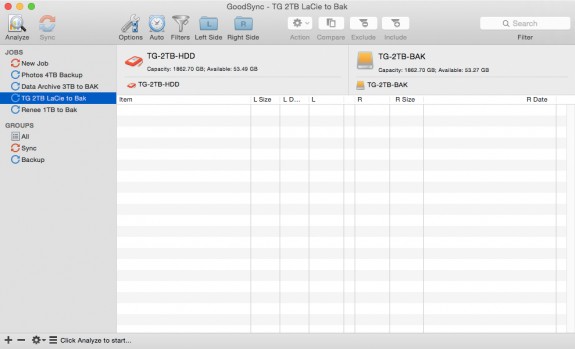
Backup Therapy for Paranoid Photographers, Part 1
By Tim Grey– To me a big part of why I capture photographic images in the first place is to preserve memories that are important to me. By definition, if I intentionally pressed the shutter release button on the camera then the photo I captured is important to me in some way. Therefore, I want...read more

Nothing Says it Better Than A Photographic Print
By Drew Hendrix– I have a friend whose daughter died when she was a teenager but he still greets her every day with: “Hi kiddo, how’s it going?†And he says she always replies with a smile from within her picture frame on the wall. He told me that when he views her image on...read more
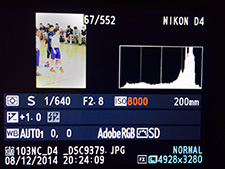
Expose to the Right? Ask Tim Grey
Today’s Question: Recently there have been articles and books about exposing raw captures far to the right in order to get better shadow details. Some authors suggest exposing so far to the right that the initial unprocessed raw file looks milky white with blown out highlights that are then brought back into proper exposure using...read more
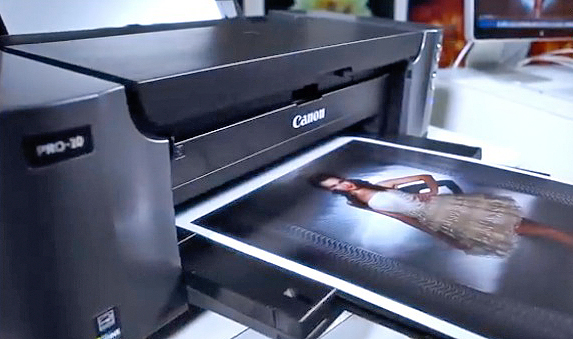
Win A Canon Pixma Pro-10 Printer & Paper Package Worth $800!
This contest has concluded.  Thank you to all those who entered!  Check back to enter our next contest.  A $700 CANON PIXMA PRO-10 Inkjet Printer PLUS $100-worth of Red River’s Palo Duro Satin Paper could be yours! Enter our Giveaway now! The PIXMA PRO-10 Wireless Professional Inkjet Printer has features that help produce incredible output. A 10-color Lucia Pigment Ink system features...read more
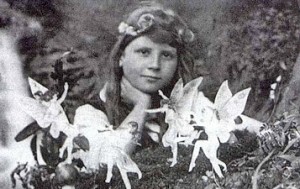
Altering Reality– It’s Nothing New
By Arthur H. Bleich– Critics of computer-altered images usually divide photography into two time periods: the honest analog days and the dishonest digital ones. If it were only that easy. Tinkering with images is as old as photography itself; it’s merely become more sophisticated. In the early days of photography, “spirit†photos depicted departed loved...read more
Great Photo Ops Lurk In Unexpected Places
By Arthur H. Bleich– I rarely just wander around looking for good pictures. Instead, I almost always have a clearly defined goal in mind when I sling my Pentax over the shoulder and set out for a shooting session. For example, doing a series of images at the town’s train station in the early morning light,...read more
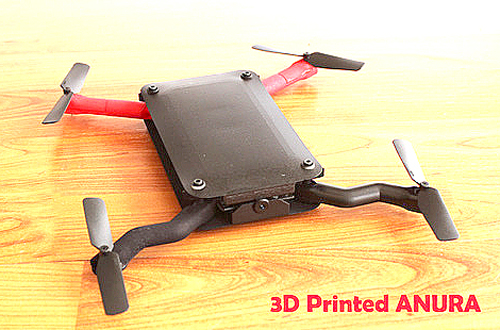
ANURA Pocket Photo Drone Will Capture Spur-Of-The-Moment Images
 By Arthur H. Bleich– Jason Lam is a San Francisco designer and builder of Aericam photo drones–the kind used by Hollywood to shoot spectacular aerial scenes that shock and awe. Their prices–in the thousands–can elicit the same response; most require intricate remote control equipment and some even need trained pilots to fly them (from the...read more
Favorite Photo Locations – Southern Utah
 by Shelly Katz– Thinking about going to Las Vegas? Forget about the casinos and bright lights of the strip. Instead take a 2-1/2 hour drive to the northeast and check out Zion and Bryce Canyon National Parks in southern Utah. Zion National Park is located on State Route 9 in Springdale, Utah – 163 miles from Las...read more
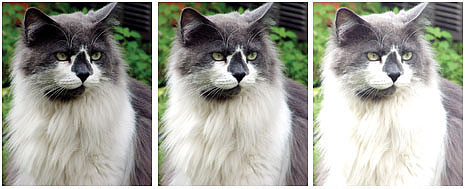
Fine Tune Your Exposures With “Smart†Bracketing
by Arthur H. Bleich– Most digital cameras have an auto-bracketing feature that allows three or more images to be shot manually or automatically in rapid succession, each at a different exposure. The first picture is exposed at what the camera’s light meter determines to be correct, followed by an under-exposed image and then another that’s...read more
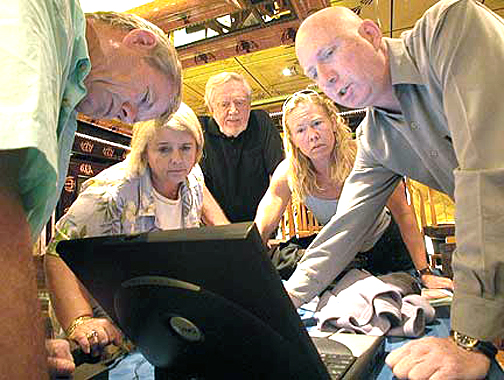
Wider is Better
By Arthur H. Bleich– Most amateur photographers lust for longer focal length lenses that bring distant subjects nearer. But most professionals will tell you that if they had to choose between a telephoto or a short focal length lens, they’d take the wide-angle every time. First, it’s a very versatile lens, especially for shooting close-up...read more
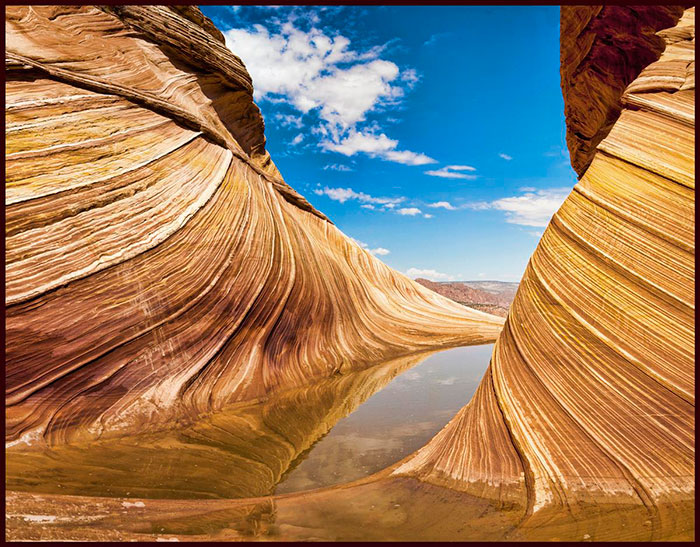
Favorite Photo Locations – The Wave
By Ron Wolfe– “The Wave†comprises the Navajo Sandstone dunes that have calcified vertically and horizontally, turning into hardened, compacted rocks over time. Photographs of it are widely published and highly desired but it can be a dangerous location for photographers who are not in good physical condition. Located near the Arizona-Utah border in Paria...read more
A Gold Mine Of American Images– Free!
By Arthur H. Bleich–  America, 1935. A land in the midst of a Great Depression. Drought and over-cultivation of farmland had spawned dust storms that stripped vital topsoil away. In a country that was predominately rural and small-town, the massive crop failure that ensued caused millions to lose their farms and homes. Blown out,...read more


